Case Study 03
Beauty Mark RX
"Her brand said side hustle. Her résumé said clinician. I closed the gap."
Trust & Credibility · Brand Identity · Audience Research
Qualitative Perception & trust research
The work
Brand identity for a medical aesthetics practice.
My role
Research, positioning, visual identity.
Objective
Make the brand signal the credibility its founder had genuinely earned.
The artifact
A brand identity system built around trust, not glitter.
Observation
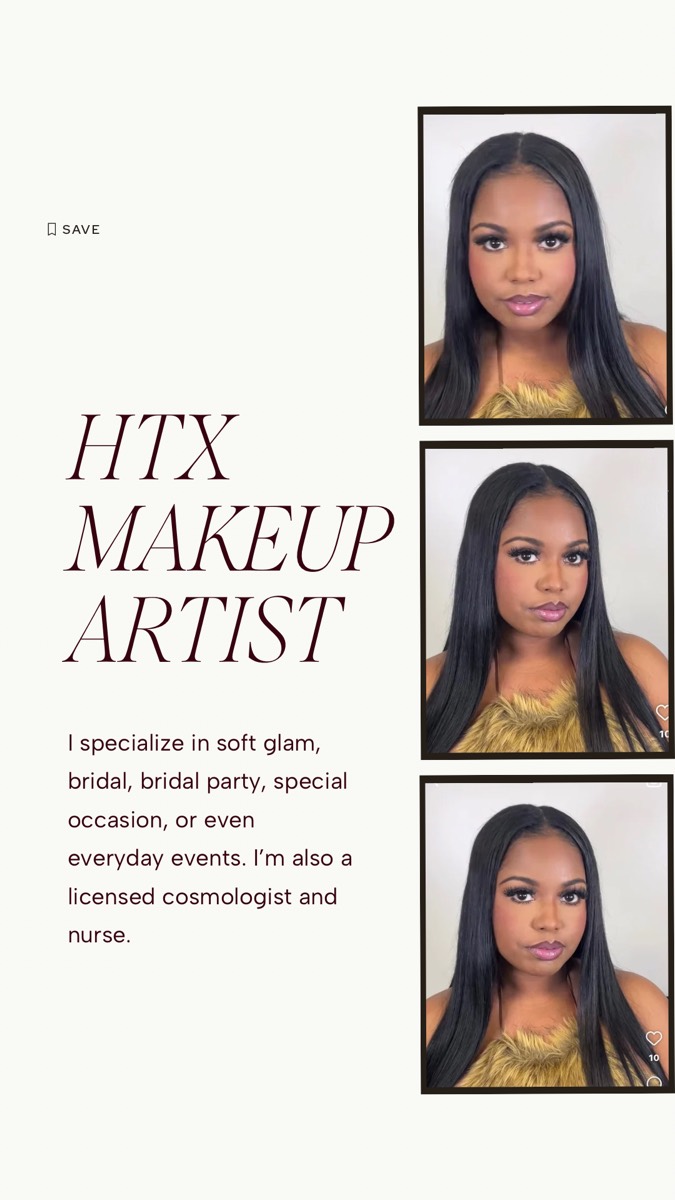
The founder is a 31-year-old registered nurse with 5+ years of operating-room experience. Real clinical authority — the kind of background that should make a client feel completely safe handing over their face.
But her brand didn't say any of that. It said glitter. It read like a college student making money on the side — bright, busy, decorative. The visual language was actively working against the most valuable thing she had: her credentials.
I also looked at how med spas in her space were showing up. Same problem in two directions — either cold and clinical (scary, sterile, no warmth) or cheap and glittery (fun, but you wouldn't trust them near a needle).
Hypothesis
The gap wasn't her skill. It was the distance between her real credibility and her perceived credibility.
My hypothesis: if the brand signaled the same authority she'd actually earned — clinical trust with warmth, premium without being cold — clients would feel safe, and the brand would finally match the woman behind it.
The territory no one in her space owned: medical that feels safe AND luxurious. Not sterile. Not glittery. Trustworthy and elevated at the same time.
Decision
Every choice was made to signal trust and earned authority:
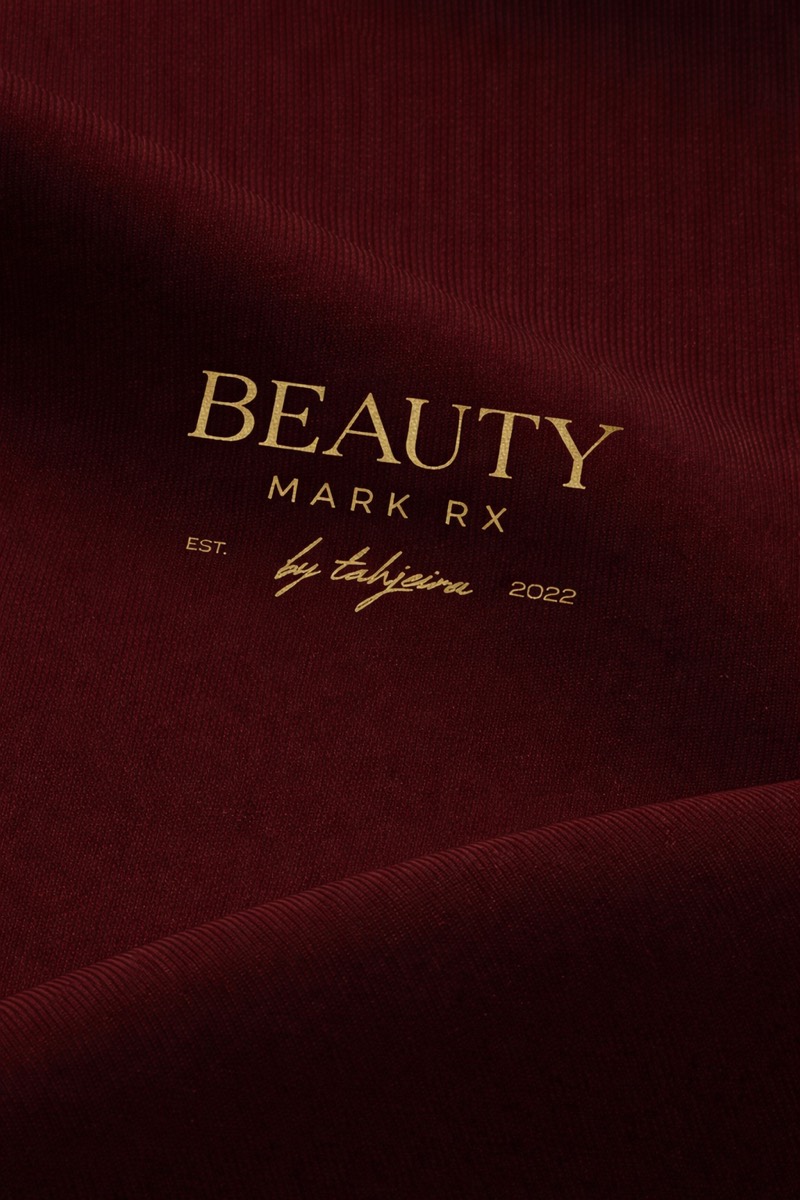
- A grounded, refined palette (oxblood, rose, blush) — warm enough to feel human, deep enough to feel serious. Not clinical white. Not party glitter. Adult.
- Restrained, intentional type — clean and confident. Nothing decorative competing for attention. Restraint reads as expertise.
- A clinical-meets-luxury system — the "RX" anchors the medical credibility; the warm palette and elevated layout deliver the luxury and safety.
- Premium spacing and composition — generous, calm, uncrowded. The visual opposite of "busy side hustle." Space signals confidence.
The throughline: every decision moved the brand from "fun girl with a kit" to "the professional you trust with your face."
The Artifact
A perception-gap diagram — the distance between how qualified she is and how qualified she looked, and the gap the rebrand closed.
She was more qualified than she looked
Where it was / where it landed
Where it was
Glittery, busy, decorative. Reads as a college side hustle — and quietly undersells real clinical credentials.
Where it landed
Warm, restrained, premium. Signals clinical trust and safety. The brand now tells the truth about her authority.
The point of the artifact: show the gap being closed.
Brand guidelines snapshot: a grounded palette that reads adult and safe — "medical + luxury," not clinical-cold or party-glitter. (Original brand colors shown for fidelity.)
Outcome
A potential client landing on Beauty Mark RX now feels what they should have felt all along: this is a real clinician, this is safe, this is elevated. That's the outcome that matters in medical aesthetics — not "it's prettier," but "you'd trust her now."
What this proves
- Trust & credibility research — evaluated the brand on whether it earned user trust, not whether it looked nice.
- Perception-gap analysis — identified the distance between real and perceived credibility as the core problem.
- Audience research — understood what a medical-aesthetics client needs to feel before they book.
- Competitive positioning — found the unowned territory (safe + luxurious) between cold-clinical and cheap-glittery.
- Design rationale — tied every visual choice back to a single goal: signal trust.
Reflection
What I learned / what I'd do differently
What I learned: trust is visual before it's verbal — people decide if they feel safe before they read a single credential.
What I'd do differently: I'd run a quick perception test — show the old vs new brand to people in her target market and ask "who would you trust with an injectable?" — to put a real number on the gap I closed.